
Cataract Surgery in Ahmedabad
Safe, Simple, and Life Changing: That's What Cataract Surgery Can Do for You
Cloudy, blurry, or dull vision that was once clear is one of the most common signs of a developing cataract. Over time, everyday tasks reading a newspaper, driving at night, watching television, or even recognizing a familiar face can become increasingly difficult as the condition progresses.
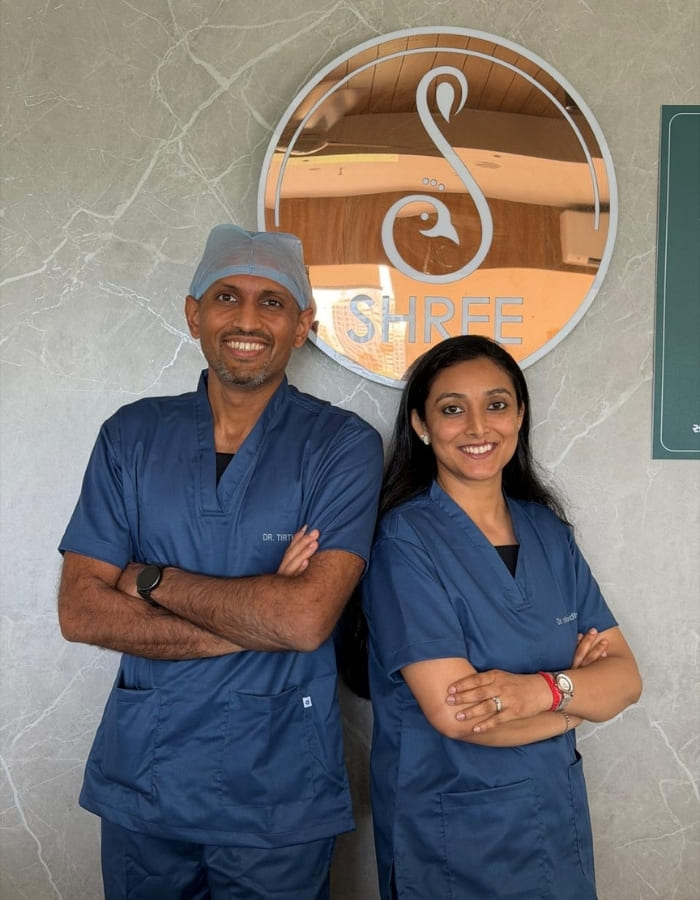
At Shree Eye & Dental Hospital, we offer advanced cataract surgery in Ahmedabad using modern minimally invasive techniques and carefully selected intraocular lenses to restore sharp, clear vision. Led by Dr. Tirth Patel an experienced ophthalmologist with 15+ years of surgical expertise our team combines clinical precision with a genuinely patient-centred approach, so every patient receives the right treatment, at the right time, with the right level of care.
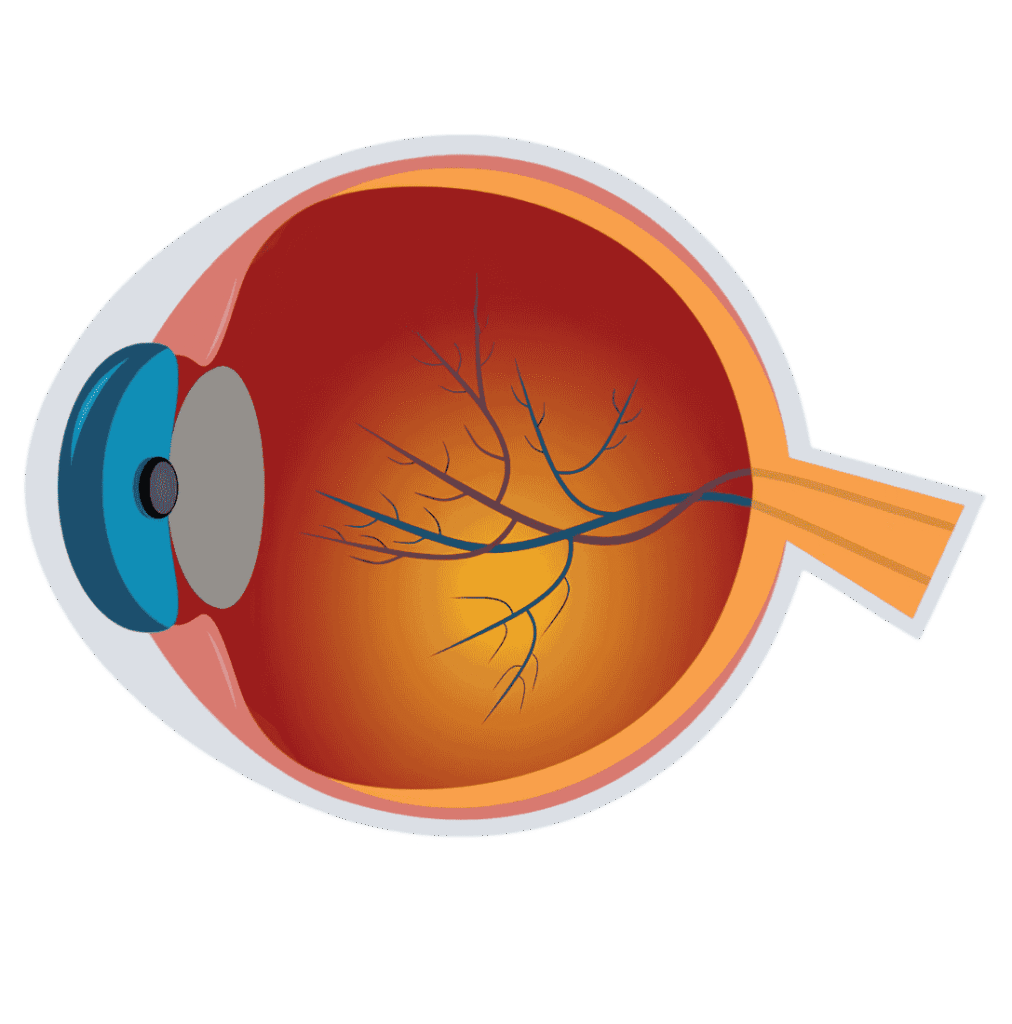
What is a Cataract?
The natural lens of the eye is normally clear, allowing light to pass through and focus precisely on the retina. When this lens gradually becomes cloudy a condition known as a cataract light can no longer pass through clearly, resulting in blurred or hazy vision.
Cataracts are among the most common causes of vision impairment worldwide and are highly prevalent among adults over the age of 50. The good news is that they are entirely treatable. With modern surgical techniques, most patients achieve significant improvement in vision and quality of life after treatment.
Cataracts can develop in one or both eyes and typically progress slowly over months or years. While they are most commonly age-related, they can also develop earlier due to other contributing factors.
Types of Cataracts
Symptoms of Cataract
These symptoms can sometimes overlap with other eye conditions. A proper examination by an experienced eye specialist is the only way to accurately identify the cause and recommend the right treatment. Cataracts develop gradually, and many people do not notice the early signs. If you or a family member experiences any of the following, a professional eye examination is strongly recommended:
Difficulty reading fine print or close-up text
Increased sensitivity to bright light or sunlight
Colors appearing faded, dull, or slightly yellowish
Blurred, cloudy, or hazy vision that spectacles are not fully correcting
Double vision in one eye
Glare or halos visible around lights, especially at night
Difficulty driving after dark
Frequent changes in glasses prescription without a clear cause
What Causes Cataracts?
Understanding the underlying cause helps our specialists plan the most appropriate and safe treatment approach for each individual patient. Several factors can contribute to the development or early onset of cataracts:

Ageing
The most common cause. The eye's natural lens gradually stiffens and clouds over time.
Diabetes
Elevated blood sugar levels over time can accelerate lens changes and increase cataract risk.

Eye Injuries
Previous trauma to the eye may trigger cataract formation, sometimes years later.

Prolonged UV Exposure
Long-term unprotected sun exposure can contribute to lens damage.

Family History
A genetic predisposition can make some individuals more susceptible to early cataract development.

Smoking & Lifestyle
Smoking, poor nutrition, and uncontrolled systemic health conditions can accelerate the process.
When Is Cataract Surgery the Right Choice?
Not every cataract requires immediate surgery. In the early stages, an updated glasses prescription may be sufficient. However, surgery becomes the recommended option when:
- Spectacle correction is no longer giving you adequate visual clarity
- Vision impairment is making driving especially at night feel unsafe
- Reading, working on a screen, or close work is becoming genuinely difficult
- Daily independence and confidence are being affected
- Cataracts are interfering with professional responsibilities or hobbies
- Vision in one eye is significantly worse than the other
Our eye specialist conducts a thorough evaluation before recommending surgery. The decision is always based on your specific visual needs, the degree of cataract maturity, and your overall eye health never rushed.
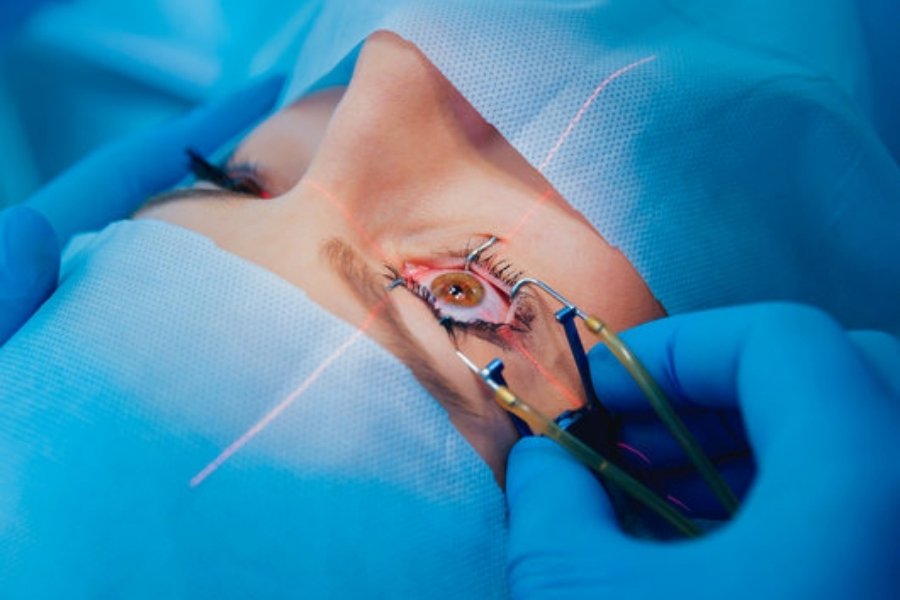
Our Cataract Surgery Approach at Shree Eye & Dental Hospital
We follow a structured, patient-first process to ensure every stage of your treatment from first consultation to final follow-up is smooth, informed, and comfortable.

Pre-Surgical Eye Evaluation
Your treatment journey begins with a detailed examination of your vision, lens condition, and overall eye health. This assessment helps determine the severity of the cataract and allows us to create a treatment plan suited to your individual needs.
Personalized Treatment & IOL Planning
We carefully evaluate your lifestyle, visual requirements, and daily activities before recommending the most suitable intraocular lens (IOL). This personalized approach helps achieve clearer vision and supports your long-term visual goals.
Minimally Invasive Cataract Removal
Using modern small-incision cataract surgery techniques, the clouded lens is gently removed and replaced with an artificial lens. The procedure is typically quick, comfortable, and designed to promote faster recovery with minimal disruption.
Post-Surgery Care & Follow-Up
Regular follow-up visits help monitor healing and ensure the eyes are recovering as expected. Our team provides clear guidance, ongoing support, and detailed instructions to help achieve the best possible visual outcome.
Benefits of Cataract Surgery

Significantly improved visual clarity and sharpness

Better color perception colors appear more vivid and true

Improved ability to drive, read, and work comfortably

Reduced dependence on glasses depending on IOL choice

Enhanced independence and confidence in daily life
Why Choose Shree Eye & Dental Hospital for Cataract Surgery?
Frequently Asked Questions About Cataract Surgery
The procedure is performed under local anaesthetic eye drops, so there is no pain during surgery. Some patients feel mild pressure or movement, but not pain. Most people are comfortable throughout and are often surprised by how quick and smooth it is.
Most patients resume light daily activities such as reading, watching television, and walking within 2–3 days. Driving can usually resume once your doctor confirms adequate vision at a follow-up visit. Strenuous activities and swimming require a longer rest period.
This depends on the type of intraocular lens selected. A standard monofocal IOL typically corrects distance vision, meaning reading glasses may still be needed for close work. Premium multifocal lenses can reduce this dependency. Our specialist will discuss the best option for your lifestyle during your consultation.
The surgical procedure itself typically takes 20–30 minutes per eye. However, you should plan for a longer visit on the day of surgery to allow for pre-operative preparation and post-operative observation before discharge.
No. Once the natural lens is removed and an IOL is placed, a cataract cannot form again. However, some patients develop a condition called posterior capsule opacification (PCO) sometimes called a secondary cataract months or years later. This is not a true recurrence and is treated with a simple, painless laser procedure called YAG capsulotomy.
Yes. Cataract surgery is one of the safest and most commonly performed surgical procedures worldwide, including for older adults. A thorough pre-operative health assessment ensures the procedure is appropriate and safe for every individual.

Ready to See the World More Clearly? Book Your Cataract Consultation.
If cloudy or blurry vision is affecting your daily life, do not wait for the condition to worsen. Early evaluation allows for better surgical planning and more predictable outcomes.
Get Expert Advice
Shree Eye and Dental Hospital
Monday to Saturday - 10:00AM to 07:00PM
Sunday - Closed