
Best Glaucoma Treatment in Ahmedabad
From Early Warning to Effective Management - Advanced Glaucoma Treatment in Ahmedabad
Glaucoma is widely known as the “silent thief of sight” and for good reason. In most cases, it develops slowly and without pain, causing gradual damage to the optic nerve long before any noticeable vision changes are felt. By the time symptoms become obvious, significant and irreversible vision loss may have already occurred.
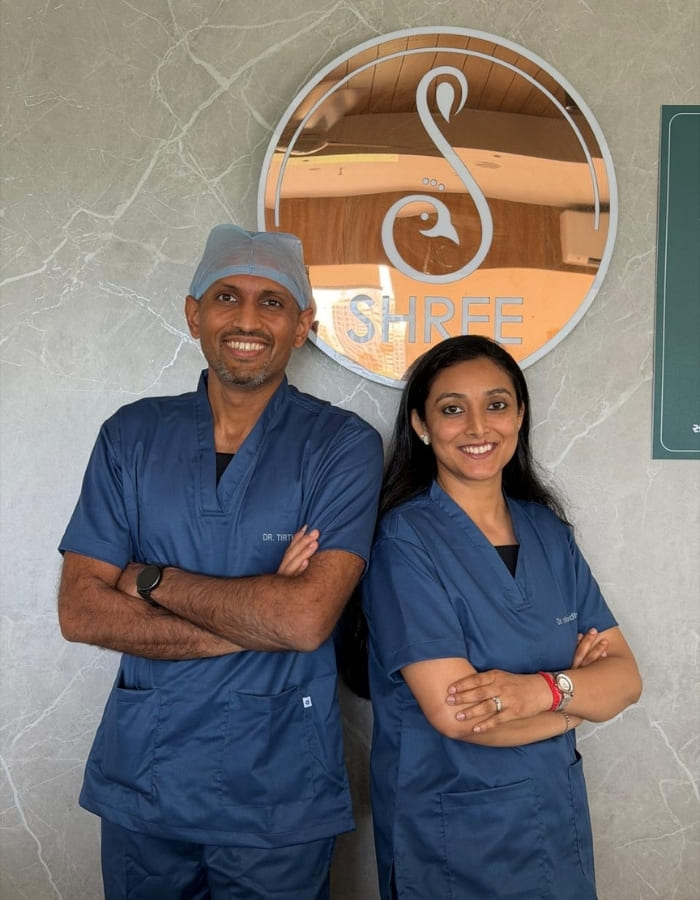
At Shree Eye & Dental Hospital, we provide the best glaucoma treatment in Ahmedabad through a structured approach built on early detection, accurate diagnosis, and long-term management. Our specialist, Dr. Tirth Patel, brings over 15 years of ophthalmology experience to every consultation, combining advanced diagnostic technology with personalized care to help patients protect their vision and maintain their quality of life.
Whether you have been recently diagnosed, are at risk due to family history, or simply want a comprehensive eye pressure check, our hospital is equipped to guide you at every stage of your glaucoma care journey.
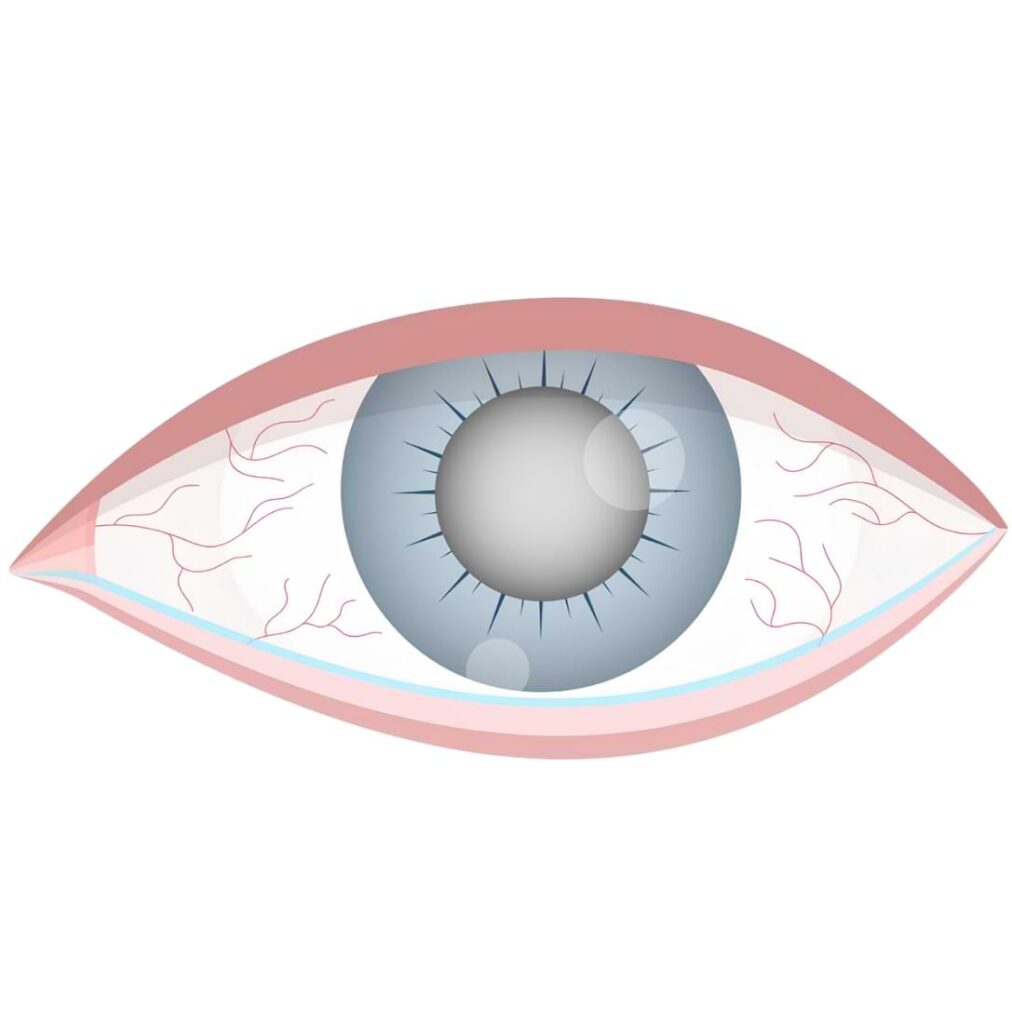
What is Glaucoma?
Glaucoma is not a single eye condition it is a group of eye diseases that cause progressive damage to the optic nerve, which carries visual information from the eye to the brain. This damage is most commonly associated with elevated pressure inside the eye, though glaucoma can develop even when eye pressure is within a normal range.
The most critical fact about glaucoma is this: vision lost due to glaucoma cannot be restored. This makes early diagnosis and consistent management the most powerful tools available for protecting long-term eye health.
Glaucoma typically affects peripheral (side) vision first, which is why most patients do not notice it until the condition has already progressed. Regular eye examinations especially for those with known risk factors are the most reliable way to detect glaucoma before meaningful vision loss occurs.
Types of Glaucoma
Warning Signs You Should Not Ignore
If you are experiencing any of these symptoms or if you have risk factors for glaucoma, do not wait. Early evaluation at Shree Eye & Dental Hospital can make a significant difference in your long-term outcome. One of the greatest challenges with glaucoma is that it often causes no pain and no obvious symptoms in its early stages. By the time a patient notices vision changes, the disease may already be at an advanced stage. Knowing the warning signs and acting on them early is essential.
Gradual loss of side or peripheral vision often, it can be the earliest sign
Blurred or hazy vision that comes and goes
Eye discomfort, pressure, or a feeling of heaviness
Eye redness without an obvious cause
Difficulty adjusting vision when moving between bright and dark environments
Seeing halos or rainbow-colored rings around lights
Frequent unexplained headaches around the eyes
Sudden severe eye pain, nausea, or rapid vision loss
Causes and Risk Factors of Glaucoma
While glaucoma can affect anyone, certain factors significantly increase the likelihood of developing the condition. Understanding your risk profile is the first step toward protecting your vision.

Increasing Age
The likelihood of developing glaucoma increases with age, particularly after 40, making regular eye examinations increasingly important.

Family History
Individuals with a family history of glaucoma have a higher risk of getting glaucoma and should undergo routine eye screenings.

Elevated Eye Pressure
Higher-than-normal eye pressure can increase the risk of optic nerve damage and glaucoma development over time.
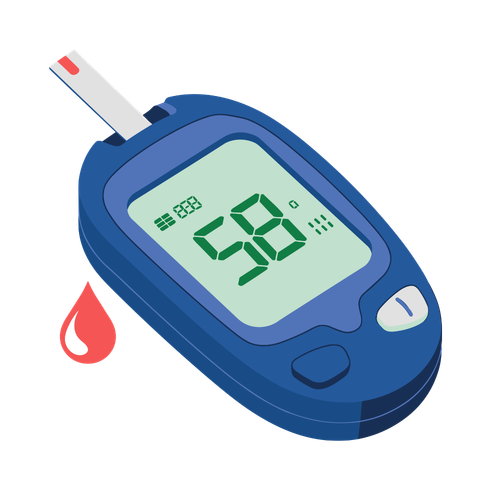
Diabetes
Diabetes may affect blood circulation within the eye, increasing the risk of glaucoma.
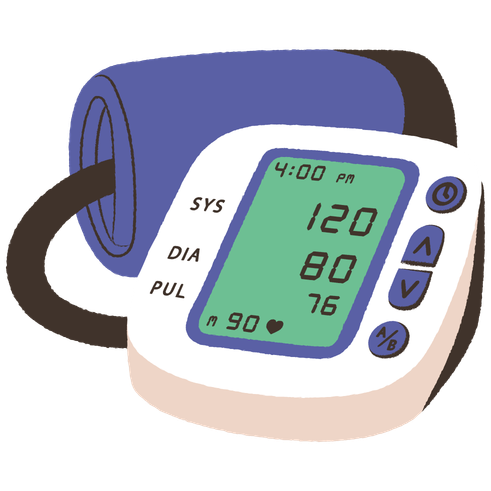
High or Low Blood Pressure
Abnormal blood pressure levels can affect optic nerve health and increase the risk of glaucoma over time.

Previous Eye Injuries
Past eye injuries can damage internal eye structures and increase the likelihood of developing glaucoma.
Why Early Detection of Glaucoma is So Important?
Because glaucoma-related vision loss is permanent and irreversible, early detection is not just beneficial it is essential. The earlier glaucoma is identified, the more vision can be preserved through timely and appropriate treatment.
- Protection of remaining healthy vision before further damage occurs
- More treatment options available at earlier stages
- Slower disease progression with consistent management
- Better long-term visual outcomes and quality of life
- Reduced risk of severe or total vision loss
- Greater independence and confidence in daily living
At Shree Eye & Dental Hospital, we strongly encourage regular eye examinations for anyone over 40 and earlier for those with known risk factors. A simple, painless eye pressure check can be the most important step you take for your long-term eye health.
Our Approach to Glaucoma Treatment at Shree Eye & Dental Hospital
Managing glaucoma effectively requires more than a single treatment it demands a consistent, long-term relationship between patient and specialist. At Shree Eye & Dental Hospital, our approach is built around thorough evaluation, accurate diagnosis, personalized management, and ongoing monitoring.

Comprehensive Eye Examination
A detailed evaluation of eye pressure, optic nerve health, corneal thickness, and visual function helps us accurately diagnose glaucoma and assess its severity.
Advanced Diagnostic Testing
Modern diagnostic technology allows us to detect glaucoma-related changes early and monitor eye health with greater accuracy and precision.
Personalized Treatment Planning
Every treatment plan is customized according to the type, stage, and progression of glaucoma to support long-term vision preservation.
Long-Term Monitoring & FollowUp
Regular follow-up visits help track disease progression, evaluate treatment effectiveness, and protect vision through ongoing care.
Glaucoma Treatment Options
The right treatment for glaucoma depends on its type, severity, and how it is responding to initial management. At Shree Eye & Dental Hospital, we offer a full range of evidence-based treatment options:
Prescription Eye Drops
Eye drops are often the first treatment for glaucoma, helping lower eye pressure by reducing fluid production or improving drainage within the eye.
Oral Medications
Oral medications may be prescribed when additional pressure control is needed, helping support the effectiveness of glaucoma treatment.
Laser Treatment
Laser procedures help improve the eye's natural drainage system, reducing pressure through a minimally invasive outpatient treatment.
Surgical Management
For advanced glaucoma cases, surgery may be recommended to improve fluid drainage and help maintain healthy eye pressure levels.
Benefits of Early and Consistent Glaucoma Management

Reduced risk of optic nerve deterioration

Slower disease progression with consistent treatment

Improved long-term eye health and visual stability

Reduced risk of severe or total vision loss

Ongoing protection through regular monitoring and care
Why Choose Shree Eye & Dental Hospital for Glaucoma Treatment?
Frequently Asked Questions About Glaucoma Treatment
Yes. Vision lost due to glaucoma cannot be restored, which is why early diagnosis and consistent treatment are so critical. The goal of glaucoma treatment is not to reverse existing damage but to prevent further loss. Patients who begin treatment early and follow their plan consistently have significantly better long-term outcomes.
The frequency of follow-up visits depends on the type and severity of your glaucoma and how well it is responding to treatment. Generally, patients with glaucoma are seen every 3 to 6 months. Your specialist at Shree Eye & Dental Hospital will recommend a schedule suited to your specific condition.
Currently, glaucoma cannot be cured. However, it can be effectively managed to slow or halt progression and protect remaining vision. With the right treatment plan and consistent follow-up, many patients maintain stable vision for years or decades.
No. While elevated eye pressure is the most common risk factor, a form called normal-tension glaucoma can develop even when eye pressure is within the normal range. This is why a complete eye examination not just a pressure check is essential for accurate diagnosis.
In most cases, yes. Glaucoma is a chronic condition, and most patients require long-term treatment to maintain eye pressure control. However, in some cases, particularly after successful laser or surgical treatment, medication requirements may be reduced. Your treatment plan will be reviewed and adjusted regularly.
High eye pressure (ocular hypertension) means the pressure inside the eye is elevated above the normal range, but the optic nerve has not yet been damaged. Glaucoma is diagnosed when optic nerve damage is present with or without elevated pressure. Not everyone with high eye pressure develops glaucoma, but it is an important risk factor that requires monitoring.
Yes, family history is one of the strongest risk factors for glaucoma. If a close family member particularly a parent or sibling has been diagnosed, your risk is significantly higher. We recommend regular eye screening starting from age 40, or earlier if advised.
Yes, although glaucoma is more common in older adults, it can affect younger individuals particularly those with a strong family history, high myopia, previous eye injuries, or certain systemic conditions. Congenital glaucoma can even be present from birth. Age is not a reason to dismiss glaucoma as a possibility.

Protect Your Vision - Book a Glaucoma Evaluation Today.
If you have risk factors, noticed any changes in your vision, or simply haven't had a comprehensive eye examination recently now is the right time to act.
Get Expert Advice
Shree Eye and Dental Hospital
Monday to Saturday - 10:00AM to 07:00PM
Sunday - Closed